- Plot No. 453-454, HSIIDC, Industrial Area, Saha, Haryana 133104

Wheat Cleaning Machine

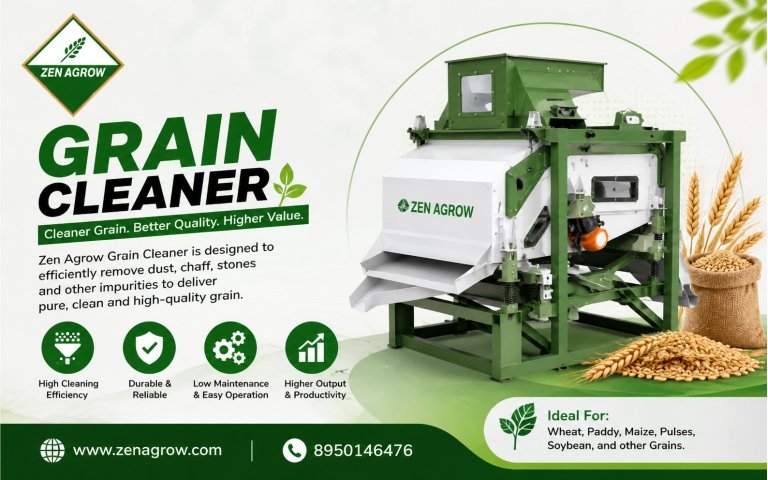
Grain Cleaner
August 21, 2026
Seed Treatment Machine
August 29, 2026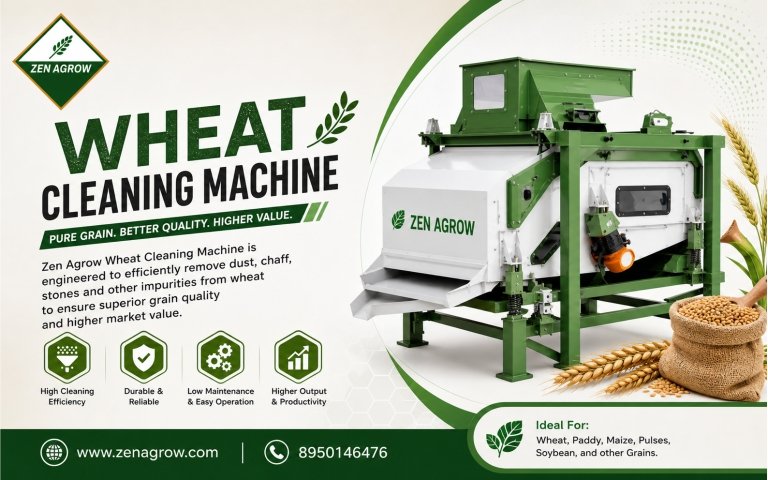
Wheat is one of the most widely cultivated cereal crops in the world. Before it reaches the mill, the bakery, or the export container, it has to be cleaned. Raw wheat straight from the field carries dust, stones, straw, and chaff. It often contains broken kernels, weed seeds, and sometimes metal fragments too.
A wheat cleaning machine is the equipment that removes these impurities. It makes sure the grain moving forward is safe, uniform, and market-ready. This matters whether you run a small flour mill or a large grain storage facility.
In this guide, we cover what a wheat cleaning machine does. We look at the different types available and the benefits of investing in one. We also explain how to choose the right model. Along the way, we look at where a trusted supplier like Zenagrow fits into the picture.
What Is a Wheat Cleaning Machine and Why Does It Matter
A wheat cleaning machine is agricultural processing equipment. It separates wheat kernels from unwanted material. This includes dust, sand, small stones, straw, and husk. It also removes weed seeds, insect fragments, and broken grains.
The machine typically combines air suction with vibrating sieves. Some models add magnetic separation as well. Together, these methods clean the grain thoroughly.
The importance of a wheat cleaning machine cannot be overstated. Unclean wheat can damage milling equipment and reduce flour yield. It can even pose health risks if contaminants reach the food supply.
For farmers, traders, and processors, cleaning is the first critical step. It ensures wheat meets the standards required by mills and exporters. Without proper cleaning, every step that follows becomes less efficient.
How a Wheat Cleaning Machine Works
Most wheat cleaning machines use a multi-stage process. Understanding these stages shows why the equipment works so well.
- Pre-cleaning stage: Coarse screens remove large debris like stalks, stones, and clumps of soil.
- Air separation stage: Controlled airflow blows away dust, chaff, and empty husks. Heavier wheat kernels fall through and stay behind.
- Sieving and grading stage: Vibrating sieves with different mesh sizes sort wheat by size. This removes broken kernels, small weed seeds, and oversized material.
- Magnetic separation stage: Magnets catch metallic fragments that entered during harvesting or transport.
- Final polishing stage: Some advanced models add a polishing unit. This removes surface dust and improves the grain’s appearance.
By the time wheat exits the machine, it is far cleaner and more uniform. It is ready for milling, storage, or sale.
Types of Wheat Cleaning Machines Available Today
Not all wheat cleaning machines are built the same way. The right choice depends on your scale, budget, and the impurities common in your region.
- Gravity separator: Uses vibration and airflow to separate grains by density. Good for removing stones and light debris.
- Air screen cleaner: Combines screening and air suction in one compact unit. Common in small and medium mills.
- Destoner machine: Removes stones and heavy impurities that resemble wheat kernels in size.
- Magnetic separator unit: Often paired with a wheat cleaning machine to eliminate ferrous contamination.
- Combination cleaning and grading systems: Larger setups that integrate cleaning, grading, and sometimes color sorting.
Your choice depends on daily processing volume and typical impurity levels. It also depends on whether you need a standalone unit or a full integrated line.
Key Benefits of Using a Wheat Cleaning Machine
A reliable wheat cleaning machine offers real, measurable benefits. These apply to anyone involved in grain handling or processing.
- Improved flour quality: Cleaner wheat produces flour with fewer specks and better color.
- Higher milling efficiency: Removing stones protects rollers and blades from premature wear.
- Better storage stability: Clean grain resists mold and insect infestation more effectively.
- Increased market value: Buyers pay more for wheat that meets strict purity standards.
- Reduced equipment downtime: Fewer foreign objects mean fewer breakdowns downstream.
- Compliance with food safety standards: Many certifications require documented cleaning processes.
- Time and labor savings: Automated cleaning is faster and more consistent than manual sorting.
These benefits add up over time. The return on investment often becomes clear within the first few processing seasons.
Factors to Consider Before Buying a Wheat Cleaning Machine
Choosing the right wheat cleaning machine takes more than picking the first option online. Here are the main factors worth evaluating.
- Processing capacity: Know how many tons you need to clean per hour or per day. Capacity mismatches lead to bottlenecks or wasted investment.
- Impurity level in raw wheat: Sandy regions may need a machine with a dedicated destoning stage.
- Available power supply: Larger industrial units may need three-phase power.
- Space and installation needs: Compact machines suit small facilities. Multi-stage systems need more floor space.
- Ease of maintenance: Look for accessible sieves and replaceable parts.
- Build quality: Stainless steel or heavy-gauge components tend to last longer.
- After-sales support: A dependable supplier offers installation guidance and spare parts.
Taking time to review these factors helps you choose a machine that actually fits your operation.
Wheat Cleaning Machine for Small Farms vs Large Processing Units
Small farmers and large mills have very different needs. A farmer cleaning a few tons for local sale needs less than a commercial mill processing hundreds of tons daily.
Small-scale operations usually benefit from compact, semi-automatic units. These are affordable and easy to operate. They still remove dust, stones, and chaff, just at a lower throughput.
Large processing units need industrial-grade systems instead. These run continuously and handle higher airflow volumes. They also integrate with conveyors, elevators, and storage silos.
Regardless of scale, the core function stays the same. A wheat cleaning machine turns raw, impure wheat into a clean, market-ready product.
Why Choosing the Right Supplier Matters: A Look at Zenagrow
The machine itself is only part of the equation. Where you buy it from matters just as much. The supplier determines build quality, spare parts availability, and after-sales support.
This is where a company like Zenagrow becomes relevant. Zenagrow is known in the agricultural equipment space for grain processing solutions built for durability and efficiency.
When evaluating a wheat cleaning machine from a supplier like Zenagrow, check a few things first. Look at the range of models, the customization options, and the installation guidance offered.
A good supplier does not just sell a machine and disappear. They help you operate it, maintain it, and troubleshoot issues as they come up.
For anyone comparing suppliers, it is worth visiting Zenagrow’s website directly. You can review their current wheat cleaning machine lineup, specifications, and support options. This can simplify the buying process, especially for first-time buyers.
Maintenance Tips to Extend the Life of Your Wheat Cleaning Machine
A wheat cleaning machine lasts longer when properly maintained. Here are practical habits worth building into your routine.
- Clean sieves and screens regularly: Built-up dust reduces separation efficiency over time.
- Inspect air suction systems: Weak airflow reduces the machine’s ability to remove light impurities.
- Check magnetic separators: Remove accumulated metal fragments periodically.
- Lubricate moving parts: Bearings and motors need regular lubrication to prevent wear.
- Monitor for unusual vibration or noise: Early detection prevents costly breakdowns later.
- Replace worn belts and screens promptly: Delays can cause uneven cleaning and lower output.
- Schedule seasonal inspections: Check equipment before and after peak harvest season.
A consistent maintenance schedule extends the machine’s lifespan. It also keeps output quality steady year after year.
Common Mistakes to Avoid When Using a Wheat Cleaning Machine
Even a high-quality wheat cleaning machine can underperform with poor operation. Here are mistakes worth avoiding.
- Overloading the machine beyond its rated capacity, causing incomplete cleaning and mechanical strain.
- Skipping maintenance checks, which leads to a gradual decline that often goes unnoticed.
- Ignoring manufacturer guidelines on airflow settings or sieve sizes for specific wheat varieties.
- Failing to train operators properly, causing inconsistent results between shifts.
- Neglecting to adjust settings for different batches, since moisture and impurity levels vary by harvest.
Avoiding these mistakes helps your wheat cleaning machine deliver consistent, long-term value.
Frequently Asked Questions About Wheat Cleaning Machines
What does a wheat cleaning machine actually remove from raw wheat? It removes dust, stones, straw, chaff, weed seeds, broken kernels, and metal fragments. It does this through screening, air separation, and magnetic filtration.
Is a wheat cleaning machine necessary for small-scale farmers? Yes. Even small operations benefit from cleaning wheat before storage or sale. Impurities speed up spoilage and lower the price buyers will pay. Compact models exist for smaller volumes.
How much capacity should I look for in a wheat cleaning machine? This depends on your daily or seasonal needs. Small units handle under a ton per hour. Industrial systems process several tons per hour. Match capacity to actual demand.
Can a wheat cleaning machine remove stones effectively? Yes. Many models include a dedicated destoning stage or gravity separator. These separate stones from wheat kernels based on density, not just size.
How often should a wheat cleaning machine be serviced? Do routine checks weekly during active use. Schedule a thorough inspection before and after peak harvest season to catch wear early.
Does Zenagrow offer wheat cleaning machine models for different capacities? Yes. Zenagrow offers a range of grain processing equipment. You can review current specifications and capacity options on the Zenagrow website.
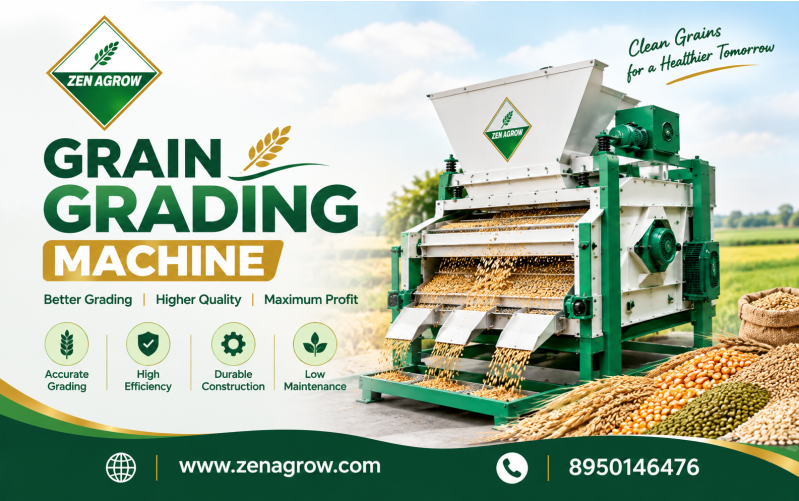
What is the difference between a wheat cleaning machine and a grading machine? A cleaning machine removes impurities and foreign material. A grading machine sorts clean wheat by size or quality. Some systems combine both functions in one line.
Will using a wheat cleaning machine improve flour quality? Yes. Cleaner wheat means flour with fewer impurities and better color. Removing foreign material and broken kernels before milling improves shelf stability too.
Final Thoughts
A wheat cleaning machine is far more than optional equipment. It is a foundational investment for anyone in grain farming, storage, milling, or trade. It protects downstream machinery, improves flour quality, and increases market value.
Choosing the right machine type matters. Understanding your processing needs matters too. Proper maintenance determines how much value you get from your investment over time.
When selecting a supplier, an established name like Zenagrow can make the process smoother. They provide ongoing support long after installation. Take time to research your options and compare specifications. This helps ensure your wheat cleaning machine serves your operation reliably for years to come.

 English