- Plot No. 453-454, HSIIDC, Industrial Area, Saha, Haryana 133104

gehu grading machine

Seed Grading Equipment
September 24, 2026
Seed Cleaning Machine Manufacturers in India
October 9, 2026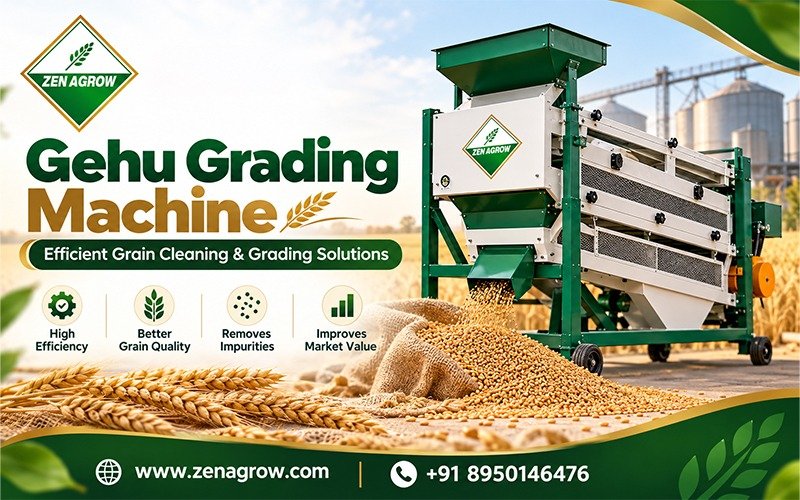
Wheat is one of the most widely processed food grains in India, and proper cleaning, grading, and handling are important for maintaining consistent grain quality. A gehu grading machine is designed to separate wheat grains according to size, shape, weight, or other physical characteristics. By improving uniformity, these machines can help processors prepare wheat more efficiently for storage, milling, packaging, and further processing.
As demand for better-quality agricultural products continues to increase, modern grain-processing equipment is becoming an important part of commercial farming and food-processing operations. Many Agricultural Machinery Manufacturers now develop machines that are suitable for different capacities, crop conditions, and processing requirements.
What Is a Gehu Grading Machine?
A gehu grading machine is agricultural processing equipment used to classify wheat grains into different grades or sizes. The machine works by using systems such as perforated screens, sieves, airflow, vibration, or other separation methods depending on the design.
During wheat processing, grains may differ in size and quality. A grading machine helps create more uniform grain fractions by separating material according to specific physical characteristics. This can make subsequent processing steps more consistent.
Grading is different from basic cleaning. Cleaning generally focuses on removing unwanted materials such as dust, straw, chaff, stones, and other foreign particles. Grading focuses more on separating the acceptable grain into specific categories based on physical properties.
Why Is Wheat Grading Important?
Wheat grading is important for farmers, grain traders, seed processors, flour mills, and agricultural businesses because grain quality can affect processing efficiency and market value.
Uniform wheat can be easier to handle during milling and processing. Proper grading may also support more consistent feed rates and reduce the variation between different batches.
A professional grading process can provide several practical advantages:
- Better grain uniformity
- More consistent processing
- Improved separation of different grain sizes
- Easier handling and packaging
- Better preparation for milling
- Reduced variation between batches
- Improved quality control
- Efficient post-harvest processing
The exact benefits depend on the crop condition, machine configuration, and grading criteria used by the processor.
How Does a Gehu Grading Machine Work?
The working principle of a gehu grading machine depends on its construction and grading mechanism. In many systems, wheat enters the machine through a controlled feeding arrangement. The grain then moves across one or more grading sections.
Screens or sieves with carefully selected openings can separate wheat according to grain dimensions. Smaller particles may pass through specific openings, while larger or differently sized grains continue through another section.
Some grading systems also use controlled vibration to improve the movement of grain across the screening surface. Other equipment may combine grading with airflow or additional separation mechanisms.
A typical process may include:
- Feeding wheat into the machine.
- Distributing the grain evenly across the grading area.
- Passing the grain through selected screens or separation surfaces.
- Separating different grain fractions.
- Collecting each graded fraction separately.
- Sending the graded wheat to storage, milling, packing, or another processing stage.
Proper machine adjustment is essential because wheat varieties, moisture levels, grain sizes, and contamination levels can vary.
Main Features of a Gehu Grading Machine
Different Agricultural Machinery Manufacturers offer grading machines with different specifications and configurations. Businesses should select equipment according to their crop, capacity, and processing objectives rather than relying only on machine size.
Common features can include:
Multiple Grading Sections
A machine with multiple screens or grading stages can separate wheat into more than one size fraction. This can be useful when a processor requires greater control over the final grain categories.
Vibratory Operation
Controlled vibration helps move grain across the screening surfaces. Proper movement can support efficient separation and reduce the accumulation of material on the screens.
Adjustable Grading
Some machines allow operators to change screen configurations or settings according to the desired grading requirements.
Continuous Operation
Commercial grain processors often require continuous material handling. A suitable grading machine can be integrated into a larger grain-processing line for consistent operation.
Easy Material Collection
Separate outlets or discharge arrangements can help collect different wheat grades without unnecessary mixing.
Strong Construction
Agricultural processing equipment operates in demanding environments. Durable construction can support long-term use when the machine is properly installed and maintained.
Applications of Gehu Grading Machine
A gehu grading machine can be used in several wheat-processing applications. Its role depends on the type of wheat being handled and the final product requirements.
Wheat Processing
Flour mills and grain processors can use grading equipment before or during milling operations to improve the uniformity of wheat entering the next stage.
Seed Processing
Proper grain separation can be useful in seed-processing applications where uniformity is an important consideration. However, seed grading requirements may differ from commercial grain grading.
Grain Trading
Traders and grain-handling businesses may use grading equipment to organize wheat into more consistent categories before storage or sale.
Agricultural Processing Plants
Large grain-processing facilities may integrate grading machines with cleaners, elevators, destoners, separators, and other equipment to create a complete processing line.
Storage Preparation
Grading can be included as part of a post-harvest workflow to help organize grain before storage, depending on the processing requirements.
Benefits of Using a Gehu Grading Machine
Installing suitable grading equipment can improve the efficiency of wheat-processing operations. Instead of relying entirely on manual sorting or basic separation methods, businesses can use mechanical grading for more controlled processing.
Some important benefits include:
Improved Grain Uniformity
Grading helps separate wheat according to selected physical characteristics, which can result in more uniform batches.
Better Processing Efficiency
When wheat is more consistent, downstream operations may be easier to manage. This can be useful for milling and other grain-processing activities.
Reduced Manual Labor
Mechanical grading can reduce the amount of manual sorting required, particularly in medium- and large-scale operations.
Consistent Output
With proper machine settings, grading can provide more repeatable separation compared with inconsistent manual methods.
Scalable Processing
Different machine sizes and configurations can be selected according to processing capacity and business requirements.
Factors to Consider Before Buying a Gehu Grading Machine
Choosing the right machine is an important investment decision. Businesses should evaluate the equipment based on their actual processing requirements.
Processing Capacity
Determine the required capacity in terms of the amount of wheat that needs to be processed per hour. Selecting a machine with suitable capacity can help avoid bottlenecks.
Wheat Variety
Different wheat varieties may have different grain dimensions and physical characteristics. The grading system should be suitable for the wheat being processed.
Grading Requirements
Clearly define whether the objective is simple size separation or a more specific grading process involving multiple fractions.
Machine Construction
Check the quality of the machine body, screens, frame, bearings, and other important components.
Maintenance Requirements
A machine that is easy to inspect, clean, and maintain can be more practical for regular agricultural processing.
Integration With Other Equipment
For larger plants, the grading machine may need to work with other equipment such as:
- Grain cleaners
- Pre-cleaners
- Destoners
- Gravity separators
- Bucket elevators
- Conveyors
- Storage systems
- Packaging equipment
Manufacturer Support
Technical support, spare parts availability, installation guidance, and after-sales service can be important considerations when purchasing agricultural processing machinery.
Informative Points to Remember About Wheat Grading
When planning a wheat grading setup, consider the following important points:
- Identify the required wheat-processing capacity.
- Define the desired grain size categories.
- Check whether cleaning should be performed before grading.
- Select screens according to the required separation.
- Consider moisture and condition of incoming wheat.
- Ensure proper machine installation and alignment.
- Maintain screens and moving components regularly.
- Keep the machine clean to reduce grain contamination.
- Choose equipment that can fit into the existing processing line.
- Discuss your exact requirements with experienced Agricultural Machinery Manufacturers before finalizing a machine.
Difference Between Wheat Cleaning and Wheat Grading
Wheat cleaning and grading are related but different processes.
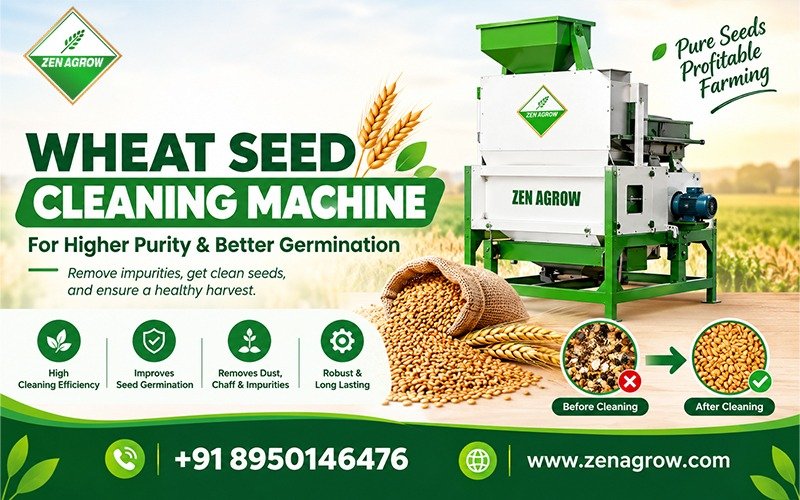
Cleaning is mainly intended to remove unwanted materials from wheat. These may include dust, chaff, stones, straw pieces, weed seeds, and other foreign matter.
Grading, on the other hand, focuses on separating wheat grains into different groups according to selected physical characteristics such as size or dimension.
A processing plant may therefore use a cleaner before a gehu grading machine. This sequence can help improve the overall workflow because cleaner grain can pass more effectively through the grading system.
In larger processing plants, several machines may be combined to form a complete grain-handling and processing line.
How to Maintain a Gehu Grading Machine
Regular maintenance helps keep agricultural machinery working consistently. Before maintenance, operators should always follow the manufacturer’s safety instructions.
Important maintenance practices include:
Clean the Screens Regularly
Grain particles can accumulate on grading surfaces and affect separation performance. Regular cleaning helps maintain proper material flow.
Check Bearings and Moving Parts
Inspect bearings and other moving components periodically for wear, unusual noise, or excessive vibration.
Inspect Fasteners
Bolts, nuts, and other connections should be checked to ensure that components remain properly secured during operation.
Monitor Vibration
Unusual vibration may indicate a mechanical issue, uneven loading, or component wear. Early inspection can help prevent larger problems.
Replace Damaged Screens
Damaged or worn screens can affect grading accuracy. Replace them when required according to the machine manufacturer’s recommendations.
Zenagrow and Agricultural Machinery Solutions
Selecting the right equipment is an important part of establishing an efficient wheat-processing system. Zenagrow provides agricultural machinery solutions for businesses involved in grain and agricultural processing.
Businesses can review available machinery and processing solutions at https://www.zenagrow.com/ and discuss their specific wheat-processing requirements before selecting equipment.
A machine should be chosen according to factors such as crop type, material condition, required capacity, grading requirements, and the complete processing workflow. Consulting experienced Agricultural Machinery Manufacturers can help businesses identify equipment that fits their operational needs.
Frequently Asked Questions About Gehu Grading Machine
What is a gehu grading machine used for?
A gehu grading machine is used to separate wheat grains into different grades or size categories based on selected physical characteristics. It can be used in grain-processing, milling, seed-processing, and agricultural processing operations.
What is the difference between a wheat cleaner and a grading machine?
A wheat cleaner primarily removes unwanted foreign materials such as dust, chaff, stones, and plant debris. A grading machine separates the grain into different categories according to characteristics such as size or dimension.
Can a gehu grading machine be used for large-scale wheat processing?
Yes, grading equipment can be designed in different capacities for small, medium, and large processing operations. The appropriate model should be selected according to the required throughput and plant layout.
How do I select the right wheat grading machine?
Consider processing capacity, wheat variety, desired grading size, machine construction, screen configuration, maintenance requirements, available space, and compatibility with other processing equipment.
Can grading machines be integrated into a complete grain-processing plant?
Yes. A grading machine can be integrated with equipment such as pre-cleaners, grain cleaners, destoners, separators, elevators, conveyors, storage systems, and packing equipment.
How often should a gehu grading machine be maintained?
Maintenance frequency depends on operating hours, material conditions, machine design, and the manufacturer’s recommendations. Regular cleaning, inspection, lubrication, and replacement of worn components can help maintain reliable operation.
Why should I consult Agricultural Machinery Manufacturers before purchasing?
Experienced Agricultural Machinery Manufacturers can review your crop, required capacity, grading objectives, plant layout, and processing workflow. This helps ensure that the selected machine is suitable for the intended application.
Conclusion
A gehu grading machine can play an important role in modern wheat-processing operations by helping businesses achieve more consistent grain separation and improve processing efficiency. From flour mills and grain traders to seed processors and agricultural plants, suitable grading equipment can support better material handling and more organized production. For additional information on wheat post-harvest operations and grain handling, refer to the Food and Agriculture Organization of the United Nations (FAO).
The right machine depends on several factors, including wheat variety, processing capacity, desired grading criteria, plant layout, and integration with other agricultural equipment. Regular maintenance and correct operating practices are also essential for reliable performance.

 English